

Networking Of Len Telephone
Networking of LAN (Local Area Network) and telephone services typically involves integrating both data networking (LAN) and voice communication (telephone services) within the same infrastructure or environment. Here's a brief overview of what this might involve:
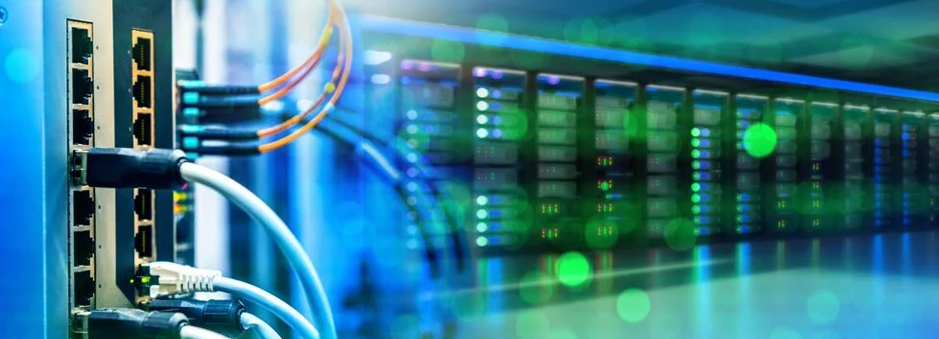
Cabling: Often, LAN and telephone services share the same cabling infrastructure, especially in modern setups where Ethernet cables can carry both data (for LAN) and voice signals (for telephones).
Switches and Routers: Network switches and routers manage the flow of data packets within the LAN and ensure proper routing of voice traffic if Voice over IP (VoIP) is used.
Telephony Services:
PBX (Private Branch Exchange): In traditional setups, PBX systems are used to manage telephone extensions within an organization.
VoIP: Increasingly, organizations are moving towards VoIP systems, where voice communications are transmitted over the same data network used for the LAN.
LAN Configuration:
Network Devices: This includes computers, printers, servers, and other devices connected to the LAN.
Network Security: Implementation of firewalls, access controls, and VPNs to secure both data and voice communications.
In summary, networking LAN and telephone services involves creating an integrated infrastructure that supports both data and voice communications efficiently and securely, leveraging modern technologies like VoIP to enhance functionality and reduce costs.